

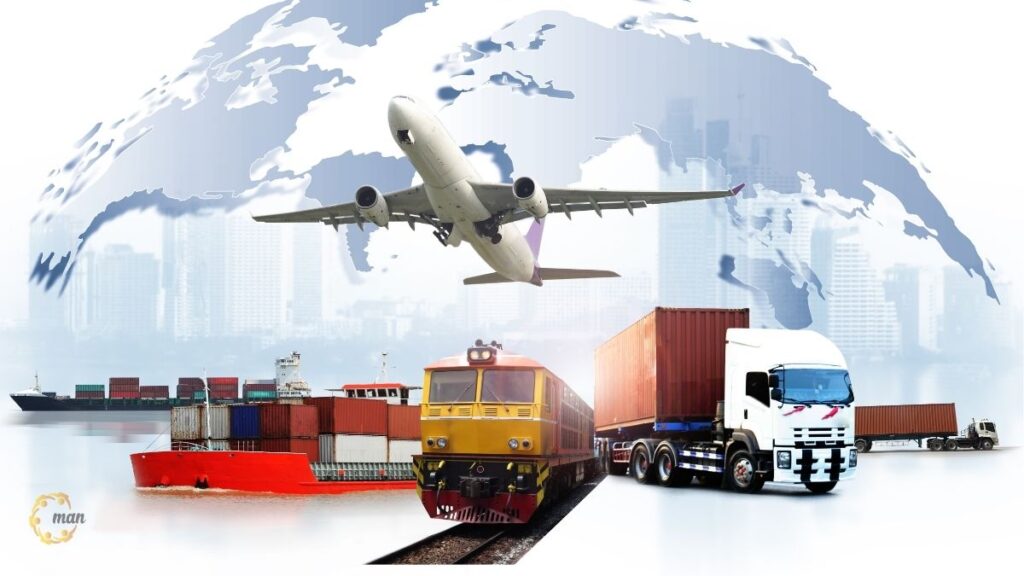
What are import duties, and why are they one of the most important taxes that every international trading business needs to understand? In the context of Vietnam's deep integration through new-generation free trade agreements, a thorough understanding of the nature of this tax not only helps businesses optimize costs but also acts as a shield against complex legal risks when clearing goods through customs.
Based on the Export Tax Law, Import tax law No. 107/2016/QH13 Based on current guidelines and regulations, experts at MAN – Master Accountant Network have found that confusion in goods classification and tax valuation are the two leading causes of administrative penalties for businesses. This article will provide the most comprehensive overview.
Summary of key points regarding import taxes
Import tax is an indirect tax stipulated by the State, levied on goods imported from foreign countries into Vietnam. The core objectives of this tax are to protect domestic production, manage the balance of trade, and generate budget revenue.
Taxes apply to businesses, organizations, and individuals involved in importing goods across borders and customs checkpoints. To optimize tax costs or resolve issues related to customs procedures, businesses need to understand the HS code and origin of goods to apply the most accurate tax rate.
What is import tax? Definition and legal nature
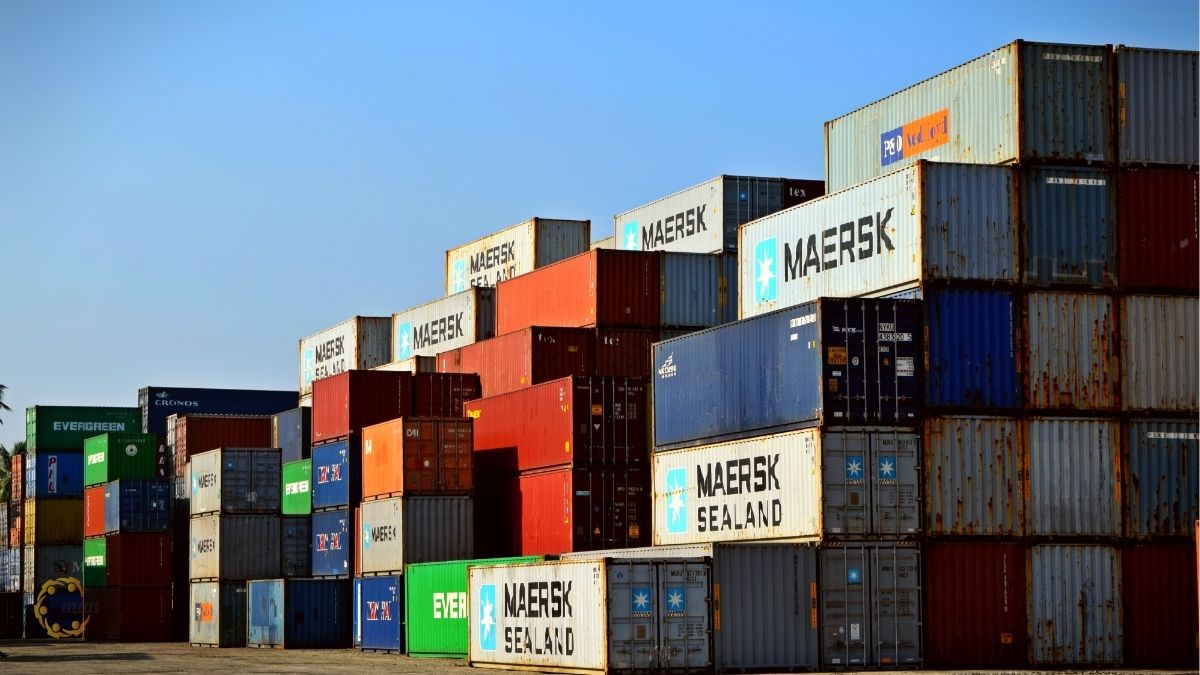
According to current law, import tax Import tax is understood as a type of indirect tax that the state collects on goods permitted to be imported across Vietnam's borders. The nature of import tax lies not only in revenue collection; it is also a very sharp tool for regulating the macroeconomic economy.
The government uses this type of tax to establish a protective barrier for nascent domestic industries against competitive pressure from cheaper foreign goods. At the same time, import taxes play a crucial role in preventing dumping practices, protecting consumer rights, and ensuring national economic security.
From the perspective of MAN – Master Accountant Network, import tax is not simply a cost of goods sold. If not managed properly, it can become a bottleneck in cash flow and the source of significant tax arrears later on. Businesses need to view it as part of an overall financial risk management structure.
The role of import taxes in corporate financial management.
Many new businesses often mistakenly believe that import tax is simply a payment obligation at the port. However, from a financial perspective, its role is much broader.
- Firstly, import taxes directly affect product costs. These tax costs constitute the cost of goods sold. If a business imports raw materials for production, understanding tax incentives will significantly reduce the cost of its finished products, thereby increasing its competitiveness in the market.
- Secondly, import duties act as variable costs. In cost management, variable costs are expenses that change proportionally with the volume of goods. When forecasting business plans, miscalculating tax rates can distort financial figures, leading to incorrect pricing.
According to experts at MAN with 30 years of experience, optimizing import tax costs by leveraging Free Trade Agreements (FTAs) is the leading solution for businesses to improve their net profit margins. This is an integral part of the tax consulting services we provide to our clients.
In which cases is import tax applied and to which subjects is it applied?
Determining which cases are subject to import tax is the first step in avoiding the risks of customs tax arrears. Not all goods brought into Vietnam are subject to tax, but most commercial activities fall within the scope of regulation.
Taxpayers
Taxpayers include the owner of imported goods, organizations acting as import agents, and individuals carrying goods exceeding the tax-free allowance upon entry. Logistics service providers or customs agents may also be authorized to pay on behalf of the owner, but the ultimate legal responsibility rests with the owner of the goods.
Common cases subject to import tax
Goods subject to import tax include:
- Goods imported under a normal commercial contract.
- Imported raw materials and supplies used for processing for foreign markets were not re-exported in accordance with regulations.
- Goods are imported into free trade zones but then consumed domestically.
- The baggage of arriving passengers exceeds the permitted duty-free allowance.
However, the law also clearly stipulates cases that are not subject to tax or are exempt from tax, such as goods in transit, humanitarian aid goods, or goods in export processing zones used for export production. Clearly distinguishing between taxable and non-taxable goods is a crucial skill for import-export accounting departments.
What is the formula for calculating import tax and the taxable value?
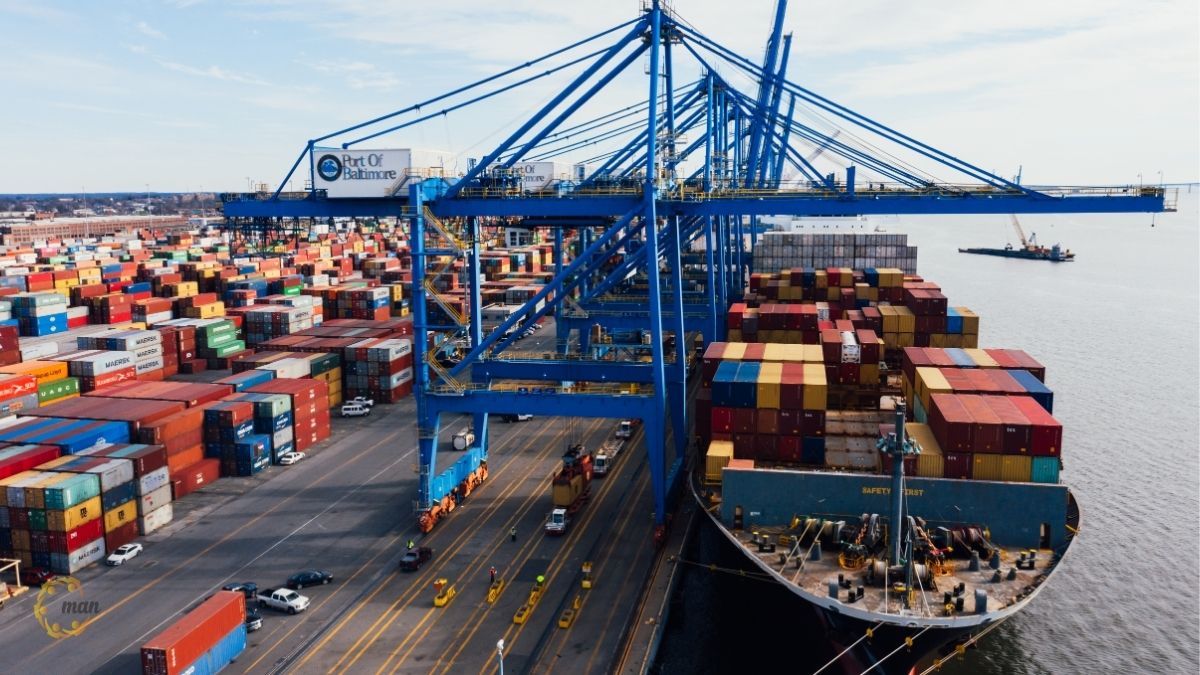
To master financial management, accountants need to understand what the import tax value is. This is the value used to calculate the tax payable, and it is not always equal to the value stated on the commercial invoice.
The basic formula applied is:
| Import tax amount = Taxable value x Import tax rate |
Determining the taxable value:
The import tax value is usually determined based on the CIF price at the first port of entry. This means the taxable value includes the value of the goods, international insurance costs, and international shipping costs to the destination port in Vietnam.
In cases where the value of goods cannot be determined according to CIF price, the customs authority will apply the customs valuation methods as prescribed. Circular 39/2015/TT-BTC and amendments. Experts at MAN – Master Accountant Network always recommend that businesses keep a complete set of original documents to explain customs valuation when inspection is required.
Tariff system and methods for determining import customs duties.
Import customs duties is a general term referring to all taxes and fees collected at border crossings. The current tariff system in Vietnam is quite complex due to the intertwining of international commitments. Below is a summary comparison table to help you easily identify the main tax rates currently in effect:
| Tax rate type | Applicable objects | Identifying characteristics |
| Preferential tax rate | Countries that have Most Favored Nation (MFN) relations with Vietnam | The most common tax rate |
| Special preferential tax rates | Countries belonging to FTA blocs (EVFTA, CPTPP, RCEP) | The tax rate is low, usually equal to 0%. |
| Normal tax rate | Countries without preferential relations | High tax rates (usually 150% MFN) |
Correctly identifying the HS code is crucial in determining the tax rate. A small error in selecting the HS code can lead to the application of the wrong tax rate, causing significant financial losses or violations of customs laws.
Classification of current import taxes on goods
Import taxes on goods are not fixed at a single rate. Depending on the nature and purpose of the import, the government applies additional taxes to control the market.
Additional taxes:
- Anti-dumping duties: Applied when foreign goods are sold into Vietnam at prices lower than their normal value, causing damage to the domestic industry.
- Countervailing duties: Taxes levied on goods that are subsidized by the exporting country's government, creating an unfair competitive advantage.
- Safeguard tax: A temporary measure applied to prevent a sudden surge in imported goods that seriously threatens domestic production.
Monitoring announcements from the Ministry of Industry and Trade regarding these taxes is a mandatory requirement for professional import businesses.
Common tax management processes and risks
Managing import taxes goes beyond simply paying the money. It's a comprehensive process, from signing the foreign trade contract to the moment the goods are delivered to the warehouse.
Common risks:
- Incorrect HS codes lead to the application of incorrect tax rates.
- Does not meet the criteria for rules of origin (C/O) to qualify for preferential tax treatment.
- Declaring a customs value lower than the actual price results in tax assessment and penalties.
- Lack of documentation proving the origin of goods in post-import tax settlement periods.
The solution from MAN – Master Accountant Network always emphasizes cross-checking between shipping documents, international payments, and customs declarations. Consistency between these three information streams is the best shield against any inspection.
Real-world case study: Businesses handling HS code discrepancies.
At MAN, we once assisted an electronics component manufacturer that was having major trouble with customs. The company imported an industrial sensor, but the accountant arbitrarily applied the HS code intended for ordinary consumer electronics components.
As a consequence, after two years of operation, the inspection agency discovered discrepancies in tax rates, resulting in the recovery of billions of dong in back taxes along with late payment penalties.
Upon receiving the case, MAN's experts took the following steps:
- Review the product's technical documentation to determine its actual features and construction.
- Look up the list of Vietnamese export and import goods and preferential tariff schedules.
- Work directly with customs authorities to explain the discrepancies based on specialized technical standards.
- Adjust the company's product classification system to prevent recurrence.
As a result, the company's fine was reviewed by the authorities based on its goodwill cooperation and scientific explanation, saving significant financial resources. This demonstrates the importance of having a tax consulting partner with practical expertise.
Expert opinion on tax risk management.
From the perspective of auditing professionals with over 30 years of experience, import tax is an area where there is no room for arbitrariness. The difference between a sustainably developing business and one that constantly faces risks lies in its internal tax management system.
We note that the current trend among regulatory agencies is a shift from pre-clearance to post-clearance inspection. This means that easy customs clearance does not necessarily mean your documentation is perfect. Potential risks often only become apparent after the business has completed import procedures, typically 6 months to 1 year later.
Therefore, businesses need to:
- Establish a rigorous internal control process for customs declarations.
- Regularly review your import documents before tax authorities conduct an inspection.
- Regularly update yourself on new legal documents, especially the guidance documents from the General Department of Customs on goods classification.
Conclude
Import duties are an essential part of the international supply chain. Understanding what import duties are and how they operate not only helps businesses comply with the law but is also key to optimizing costs and enhancing competitiveness. Hopefully, the above information has provided an in-depth perspective to help you manage your tax obligations effectively.
If your business is struggling with goods classification, tax rate determination, or requires a transparent tax settlement process, contact MAN – Master Accountant Network. With over 30 years of experience in accounting, auditing, and tax consulting in Vietnam, we are confident in being a strategic partner for your business's sustainable development. We have a deep understanding of the realities of tax risk management in the Vietnamese market and are committed to providing the best possible solutions.
Service contact information at MAN – Master Accountant Network
- Address: No. 19A, Street 43, Tan Thuan Ward, Ho Chi Minh City
- Mobile/Zalo: 0903 963 163 – 0903 428 622
- E-mail: man@man.net.vn
- Google Business Profile: View MAN – Master Accountant Network's Google Business Profile
- LinkedIn Founder: View expert Le Hoang Tuyen's LinkedIn profile.
Responsible for production and professional content review by: Mr. Le Hoang Tuyen – Founder & CEO of MAN – Master Accountant Network, CPA Vietnam with over 30 years of experience in accounting, auditing, taxation, and corporate financial consulting.
What are the frequently asked questions about import taxes?
You need to determine the HS code of the goods based on their structure, function, and materials. Then, compare it with the current preferential import tariff schedule and the Free Trade Agreements (FTAs) that Vietnam is a party to in order to find the most appropriate tariff rate.
Yes, you are absolutely entitled to request a tax refund if you can prove that the amount of tax paid is greater than the actual amount due according to regulations, or because the imported goods had to be re-exported and were not sold in the domestic market.
Customs authorities have a database system for determining customs values. If your declared value is unusually low compared to the market price of similar goods, customs authorities have the right to reject the declared value and determine the taxable value according to regulations.
We assist businesses in reviewing HS codes, optimizing tax rates through FTA preferences, advising on customs risk management processes, and representing them in tax audits, ensuring maximum financial safety and efficiency.
Yes, imported goods given as gifts are still subject to import duties and value-added tax, unless they fall under special tax exemption categories as stipulated by law. How can I find out what import tax rate applies to my goods?
If I overpay import tax, will I get a refund?
Why is the customs tax price higher than the price I paid on the invoice?
How can MAN's tax consulting services help importing businesses?
Are goods imported as gifts subject to tax?